The Federal Government said on Tuesday, November 25, 2025, that the country can achieve the Global Methane Pledge target of a 30 per cent reduction in emissions by 2030.
Dr Ekperikpe Ekpo, Minister of State for Petroleum Resources (Gas), said this in Abuja at a two-day Sub-Saharan African Roundtable on Methane Emissions.
The event, organised by the International Energy Agency (IEA) in partnership with the Ministry of Petroleum Resources and the African Energy Commission (AFREC), had its theme as “Turning Methane Pledges into Action”.
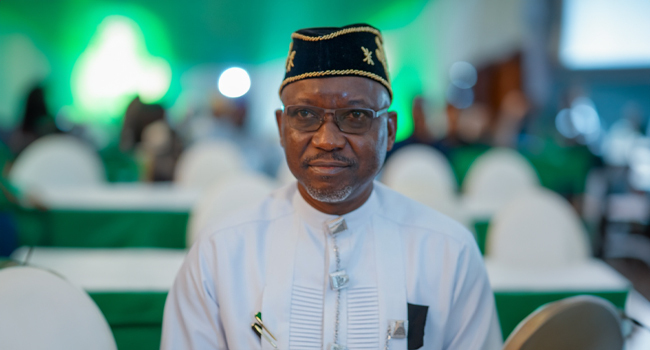
“Nigeria achieving the Global Methane Pledge target is realistic and economically advantageous for oil and gas producing countries,” he said.
Ekpo described methane as one of the most potent greenhouse gases accelerating global warming.
He highlighted Nigeria’s strength in methane management, noting that the country became the first African nation to publish a Methane Action Plan after recording major progress through sustained reductions in routine gas flaring and extensive mapping of flare sites.
He said the country had also recorded progress in advancement of the Nigerian Gas Flare Commercialisation Programme, deployment of leak detection and repair technologies, and expanded Liquefied Petroleum Gas (LPG) utilisation in households.
According to him, these actions, alongside ongoing gas infrastructure projects under the Decade of Gas Initiative demonstrate Nigeria’s commitment to environmental stewardship, economic diversification, improved energy access and public health.
Permanent Secretary, Ministry of Petroleum Resources, Dr Emeka Obi, described the roundtable as timely, especially as the world had shifted attention from broad climate declarations to measurable emission-reduction outcomes.
Obi said methane reduction was central to Nigeria’s environmental, economic and energy priorities.
“While Nigeria holds vast natural gas reserves, decades of flaring and venting have resulted in significant financial losses and environmental damage.”
He said the Federal Government was reversing the trend through strengthened regulatory frameworks under the Petroleum Industry Act (PIA), which prohibited unauthorised flaring and enhancing environmental oversight across the energy value chain.
”Nigeria’s updated Nationally Determined Contribution (NDC) under the Paris Agreement, demands that the country cut greenhouse gas emissions by up to 47 per cent by 2030 on a conditional basis, and 20 per cent unconditionally with international support.
“These commitments are not abstract targets, they are embedded in national programmes, policy reforms and infrastructure investments currently underway,” he said.
He urged African countries to leverage methane reduction as a development catalyst capable of delivering cleaner industries, improving public health, creating jobs, expanding energy access and attracting investment.
By Emmanuella Anokam